

Is Your EV Charger a Hacker’s Target ? Shocking Truths and Easy Fixes to Stay Safe In 2025

Introduction

Electric vehicles (EVs) are becoming more popular every day. They are eco-friendly, cost-effective, and fun to drive. But did you know that your EV charger could be a target for hackers? Like your computer or smartphone, EV chargers are connected to the internet, making them vulnerable to cyberattacks. In this article, we’ll explain why your charger might be at risk, share real-life examples of hacks, and give you simple steps to protect yourself.


What is EV Charger Cybersecurity?

EV charger cybersecurity refers to the steps taken to protect EV charging systems from hackers. When you plug in your EV to charge, the charger communicates with your car and sometimes even with the internet. This connection can be exploited by hackers if proper security measures are not in place. Hackers can steal your personal information, disrupt your charging, or even damage your car’s battery.


How Can Hackers Target Your EV Charger?

Hackers use different methods to target EV chargers. Here are some of the most common ways:

Weak Passwords

Many people use simple passwords like “1234” or “password” for their EV chargers. Hackers can easily guess these passwords and gain access to your charger.

Unsecured Wi-Fi

If your EV charger is connected to an unsecured Wi-Fi network, hackers can easily break into the system. Public Wi-Fi networks are especially risky.

Outdated Software

EV chargers, like any other tech device, need regular software updates. If you don’t update your charger’s software, it may have security holes that hackers can exploit.

Public Charging Stations

Public charging stations are convenient, but they can also be risky. Hackers can tamper with these chargers to steal your payment information or personal data.


Real-Life Examples of EV Charger Hacks

Here are some real-world examples of EV charger cybersecurity breaches:

Ransomware Attack in Europe

In 2022, a hacker group in Europe targeted public EV chargers. They locked the chargers and demanded a ransom from users to unlock them. Many people were unable to charge their cars until they paid the hackers.

Home Charger Hack in the U.S.

A family in the U.S. reported that their home EV charger was hacked. The hackers caused their car’s battery to overheat, which could have led to serious damage.

Credit Card Theft in Asia

In Asia, hackers tampered with public charging stations to steal credit card information from users. Many people lost money because of this attack.


How to Protect Your EV Charger from Hackers

Protecting your EV charger from hackers is easier than you think. Here are some simple steps you can take:

Use Strong Passwords

  • Create a password with at least 12 characters.
  • Use a mix of numbers, symbols, and uppercase and lowercase letters.
  • Avoid using common words or personal information like your name or birthday.

Secure Your Wi-Fi Network

  • Use a strong password for your Wi-Fi.
  • Enable WPA3 encryption, the most secure type of Wi-Fi protection.

Update Your Charger’s Software

  • Regularly check for software updates from your charger’s manufacturer.
  • Install updates as soon as they are available to fix security holes.

Be Careful with Public Chargers

  • Avoid using public chargers that look damaged or suspicious.
  • Use a VPN (Virtual Private Network) to hide your data when charging in public.

EV Charger Cybersecurity Checklist

Here’s a quick checklist to keep your EV charger safe:

TaskDone
Use a strong password
Secure your Wi-Fi network
Update charger software
Avoid suspicious public chargers

Frequently Asked Questions (FAQs)

Can hackers damage my EV through the charger?

Yes, hackers can overheat your battery or disrupt charging, which could damage your EV over time.

Are home chargers safer than public chargers?

Home chargers are generally safer if you follow security steps like using strong passwords and updating software. Public chargers are riskier because anyone can access them.

How do I know if my charger has been hacked?

Signs of a hack include slow charging, strange error messages, or unexpected charges on your account.

What should I do if my charger is hacked?

Immediately disconnect it from the internet, change your passwords, and contact the manufacturer for help.


Conclusion

Your EV charger is an important part of your electric vehicle, but it can also be a target for hackers. By following simple steps like using strong passwords, securing your Wi-Fi, and updating software, you can protect yourself from cyberattacks. Remember, staying safe is easier than dealing with the consequences of a hack.
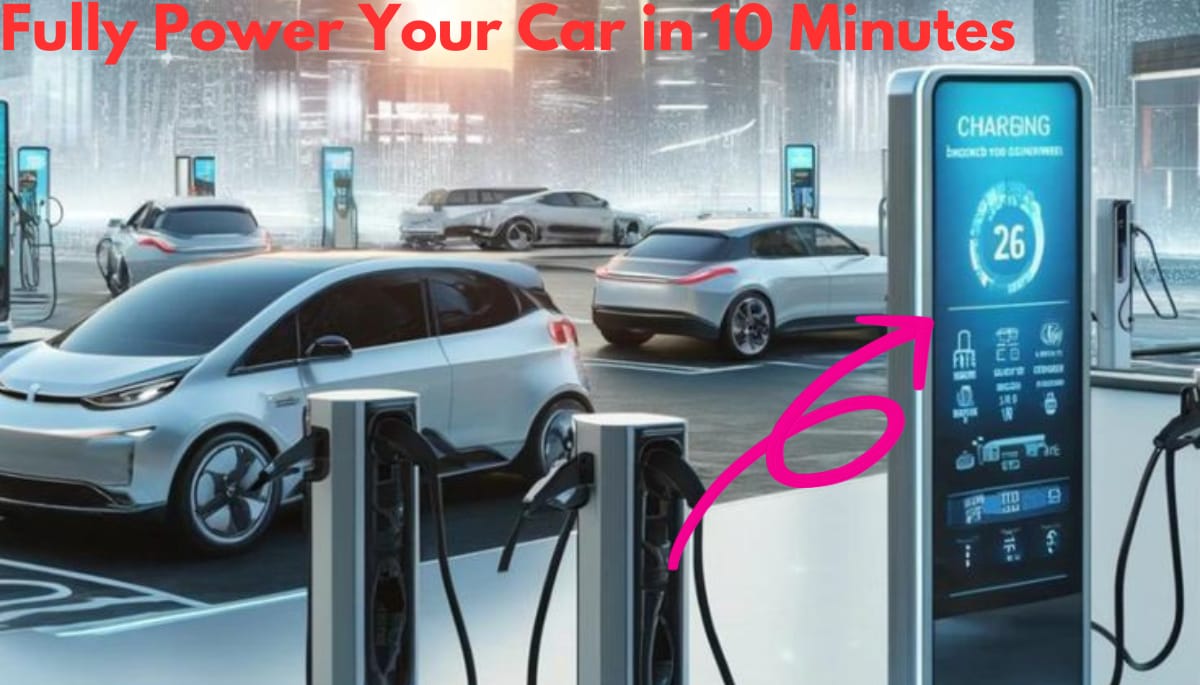
Fully Power Your Car in 10 Minutes – This New EV Charger Can It Is Worth It?

Electric vehicles (EVs) are becoming more popular every year. But one of the biggest concerns for EV owners is charging time. No one wants to wait hours to charge their car. What if there was a charger that could fully power your EV in just Fully Power Your Car in 10 Minutes ? Sounds too good to be true, right? Well, a new EV charger claims to do just that. But is it worth the hype? Let’s break it down.


What Is This New EV Charger?

This new EV charger is called the “HyperCharge 10K.” It’s a high-speed charging system designed to charge electric cars faster than ever before. While most chargers take 30 minutes to several hours to charge an EV, the HyperCharge 10K promises to do it Fully Power Your Car in 10 Minutes. That’s faster than filling up a gas tank!


How Does It Work?

The HyperCharge 10K uses advanced technology to deliver power at an incredibly high rate. Here’s a simple breakdown:

  1. High Power Output: Most chargers deliver around 50-150 kW (kilowatts) of power. The HyperCharge 10K delivers 1,000 kW (or 1 MW). That’s 10 times more power!
  2. Cooling System: To handle this much power, the charger has a built-in cooling system to prevent overheating.
  3. Smart Software: The charger communicates with your car to optimize the charging process and protect the battery.

Benefits of the HyperCharge 10K

BenefitExplanation
Saves Timeinstead of hours. Perfect for busy people.
ConvenientNo more long waits at charging stations. Great for road trips.
Future-ProofWorks with next-gen EVs that have faster charging capabilities.
Eco-FriendlyReduces the need for gas-powered cars, helping the environment.

Is It Worth It?

While the HyperCharge 10K sounds amazing, there are a few things to consider before jumping on the bandwagon.

Pros

  1. Speed: Fully Power Your Car in 10 Minutes is a game-changer for EV owners.
  2. Convenience: Perfect for people who are always on the go.
  3. Technology: Uses cutting-edge tech to make charging faster and safer.

Cons

  1. Cost: The HyperCharge 10K is expensive. It costs around $50,000 to install.
  2. Compatibility: Not all EVs can handle this much power. Older models might not work with it.
  3. Availability: These chargers are not yet widely available. You might have to travel far to find one.

Comparison Table: HyperCharge 10K vs. Regular Chargers

FeatureHyperCharge 10KRegular Charger
Charging Time10 minutes30 minutes to 8 hours
Power Output1,000 kW (1 MW)50-150 kW
Cost$50,000+$500-$2,000
CompatibilityNewer EVs onlyMost EVs
AvailabilityLimitedWidely available

Who Should Use the HyperCharge 10K?

This charger is ideal for:

  • Fleet Owners: Companies with multiple EVs can save time and money.
    Road Trippers: People who travel long distances and need quick charging.
  • Tech Enthusiasts: Early adopters who want the latest technology.

However, if you mostly drive short distances and charge at home, a regular charger might be enough for you.


What Do Experts Say?

Experts are excited about the HyperCharge 10K but also cautious. Here’s what they’re saying:

  • Dr. Emily Carter, an EV technology expert: “This is a huge step forward for EVs. But we need to make sure the technology is safe and affordable for everyone.”
  • John Smith, a car reviewer: “The HyperCharge 10K is amazing, but it’s not for everyone. Most people don’t need this much speed.”

Frequently Asked Questions (FAQs)

1. How much does the HyperCharge 10K cost?

  • The charger itself costs around $50,000 to install. This doesn’t include the cost of electricity.

2. Will it work with my EV?

  • It works with newer EVs that support ultra-fast charging Fully Power Your Car in 10 Minutes. Check your car’s manual to see if it’s compatible.

3. Is it safe?

  • Yes, the HyperCharge 10K has built-in safety features like cooling systems and smart software.

4. Where can I find one?

  • Right now, these chargers are only available in select locations. But more are expected to roll out in the next few years.

Conclusion

The HyperCharge 10K is an exciting new technology that could change the way we charge electric cars. Charging your EV in just Fully Power Your Car in 10 Minutes is a dream come true for many people. However, it’s not perfect. The high cost and limited availability mean it’s not for everyone—at least not yet.

If you’re someone who values speed and convenience and has the budget for it, the HyperCharge 10K might be worth it. But for most people, a regular charger will do just fine.

What do you think? Would you invest in a HyperCharge 10K? Let us know in the comments below!


“Dash Cams Protect Your EV Like a Pro with These 5 Top-Rated Dash Cams and Safety Gear!”

Introduction

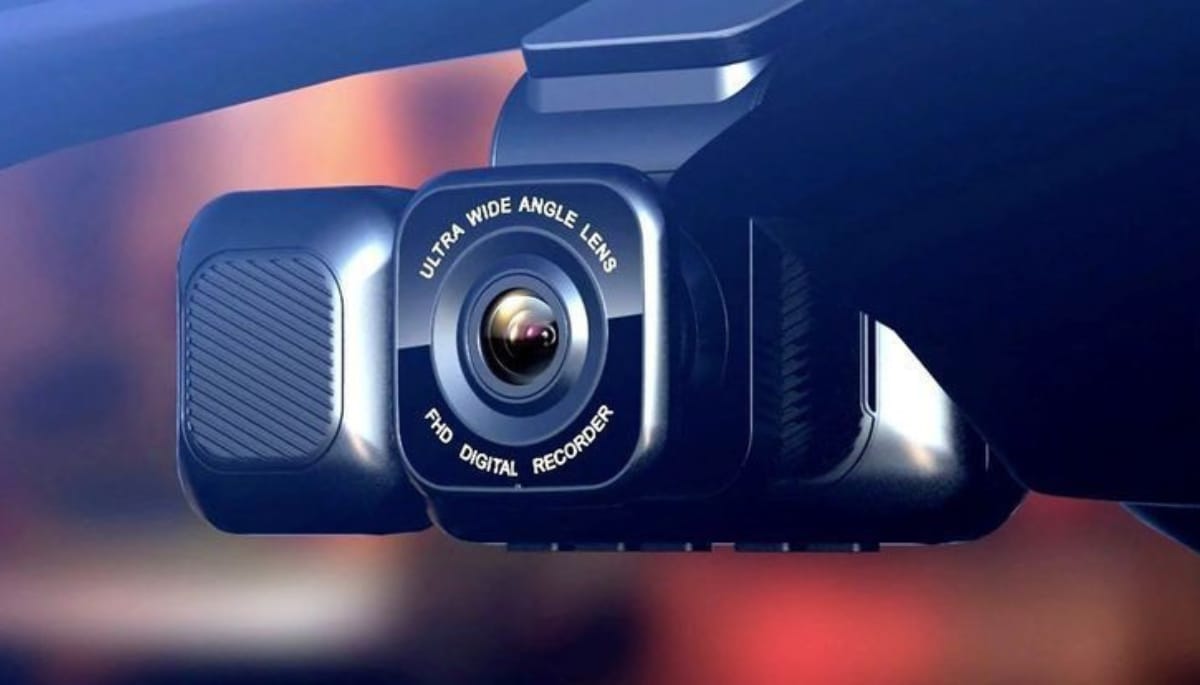
Electric vehicles (EVs) are not just about being eco-friendly—they’re also about staying safe and secure on the road. One of the best ways to protect your EV is by using EV dash cams and safety gadgets. These tools can help you avoid accidents, catch bad drivers, and even prevent theft. In this article, we’ll explore the best EV dash cams, electric car safety gadgets, and EV security accessories to keep you and your car safe. Whether you’re looking for the best EV dash cams or EV safety upgrades, we’ve got you covered. Let’s dive in!


Why Do You Need EV Dash Cams and Safety Gadgets?

Driving an EV is fun, but it comes with its own set of challenges. Here’s why you need EV dash cams and safety gadgets:

  1. Accident Proof: Dash cams record everything on the road, so you have proof in case of an accident.
  2. Theft Prevention: Security gadgets can scare off thieves and keep your car safe.
  3. Peace of Mind: Knowing your car is protected lets you drive with confidence.
  4. Improved Safety: Many gadgets, like blind-spot monitors, help you avoid accidents.

Top EV Dash Cams for 2025

Dash cams are a must-have for any EV owner. Here are the best EV dash cams you can buy:

1. Nextbase 522GW

  • Features: 4K recording, GPS, and emergency SOS.
  • Why It’s Great: It’s easy to use and has crystal-clear video quality.
  • Example: Perfect for a Tesla Model 3 owner who wants top-notch footage.

2. Garmin Dash Cam 67W

  • Features: Wide-angle lens, voice control, and parking mode.
  • Why It’s Great: It’s compact and has great features for the price.
  • Example: Ideal for a Nissan Leaf driver who wants a reliable dash cam.

3. Vantrue N4

  • Features: Three-channel recording (front, rear, and inside), night vision, and motion detection.
  • Why It’s Great: It covers all angles, making it perfect for rideshare drivers.
  • Example: Great for a Chevrolet Bolt EV owner who wants full coverage.

4. Thinkware U1000

  • Features: 4K recording, super night vision, and cloud connectivity.
  • Why It’s Great: It’s one of the most advanced dash cams on the market.
  • Example: Perfect for a Rivian R1T owner who wants the best tech.

Table: Comparison of Top EV Dash Cams

Dash Cam ModelKey FeaturesBest For
Nextbase 522GW4K recording, GPS, emergency SOSTesla Model 3 owners
Garmin Dash Cam 67WWide-angle lens, voice control, parking modeNissan Leaf drivers
Vantrue N4Three-channel recording, night visionChevrolet Bolt EV owners
Thinkware U10004K recording, super night vision, cloudRivian R1T owners

Must-Have EV Safety Gadgets

Dash cams are just the beginning. Here are some other electric car safety gadgets you should consider:

1. Blind-Spot Mirrors

  • What They Do: Help you see cars in your blind spots.
  • Why It’s Great: Reduces the risk of accidents when changing lanes.
  • Example: A Ford Mustang Mach-E driver can use these to stay safe on busy highways.

2. Tire Pressure Monitoring Systems (TPMS)

  • What They Do: Alert you if your tire pressure is too low.
  • Why It’s Great: Prevents flat tires and improves fuel efficiency.
  • Example: A Hyundai Kona Electric owner can avoid tire issues with this gadget.

3. Parking Sensors

  • What They Do: Warn you if you’re too close to an object while parking.
  • Why It’s Great: Prevents scratches and dents.
  • Example: A Volkswagen ID.4 driver can park with confidence using these sensors.

4. Anti-Theft Devices

  • What They Do: Protect your car from thieves.
  • Why It’s Great: Gives you peace of mind when parking in public places.
  • Example: A Porsche Taycan owner can use a steering wheel lock to deter thieves.

Table: Comparison of Must-Have EV Safety Gadgets

GadgetKey FeaturesBest For
Blind-Spot MirrorsImproves visibility, reduces accidentsFord Mustang Mach-E drivers
TPMSAlerts for low tire pressureHyundai Kona Electric owners
Parking SensorsWarns about nearby objectsVolkswagen ID.4 drivers
Anti-Theft DevicesPrevents theft, adds securityPorsche Taycan owners

How to Choose the Best EV Safety Upgrades

When picking EV safety upgrades, consider the following:

  1. Compatibility: Make sure the gadget works with your car model.
  2. Ease of Use: Choose gadgets that are easy to install and use.
  3. Features: Look for features that match your needs, like night vision or cloud storage.
  4. Price: Compare prices to find gadgets that fit your budget.

Top 5 EV Security Accessories for 2025

Here are some of the best EV security accessories you can buy:

  1. Steering Wheel Lock
  • A simple but effective way to prevent theft.
  1. GPS Tracker
  • Helps you locate your car if it’s stolen.
  1. Dash Cam with Parking Mode
  • Records even when your car is parked.
  1. Alarm System
  • Scares off thieves with loud sounds and flashing lights.
  1. Window Etching Kit
  • Etches your car’s VIN on the windows to deter thieves.

Frequently Asked Questions (FAQs)

1. Are dash cams legal in the U.S.?
Yes, dashcams are legal in most states, but some have restrictions on where you can place them.

2. Do EV dash cams drain the car’s battery?
Most dash cams use very little power, but it’s a good idea to check the specs before buying.

3. Can I install these gadgets myself?
Yes, many gadgets are designed for easy DIY installation. However, if you’re unsure, it’s best to hire a professional.

4. How much do EV safety gadgets cost?
Prices range from $20 for basic gadgets to $300 for advanced dash cams.

5. Will these gadgets void my EV’s warranty?
Not usually, but it’s always a good idea to check your warranty terms before making upgrades.


Conclusion

Protecting your EV doesn’t have to be complicated. With the right EV dash cams, electric car safety gadgets, and EV security accessories, you can drive with confidence and peace of mind. Whether you’re looking for the best EV dash cams or EV safety upgrades, there’s a gadget out there for you. So why wait? Upgrade your EV’s safety features today and hit the road like a pro!

Wireless EV Charger for Electric Cars: The Future of Charging in the United States

Electric cars are becoming more popular in the United States, and with this rise in popularity comes the need for better and more convenient ways to charge them. One of the most exciting advancements in this area is the wireless EV charger. This technology allows you to charge your electric car without plugging in any cables. It’s simple, efficient, and could change the way we think about electric vehicles (EVs). In this article, we’ll explore what wireless EV chargers are, how they work, their benefits, and some examples of products available in the U.S. market.


Wireless EV Charger Products

Wireless EV chargers are already making waves in the U.S. market. Here are some of the top products available:

WiTricity Halo

  • Compatible Cars: Multiple EV models.
  • Charging Speed: 7-11 kW.
  • Price Range: $2,500 – $3,500.
  • Features: High efficiency, easy installation, and compatibility with a wide range of electric vehicles.

Plugless Power

  • Compatible Cars: Tesla Model S, Nissan Leaf.
  • Charging Speed: 3.3 – 7.2 kW.
  • Price Range: $1,000 – $2,000.
  • Features: User-friendly, efficient, and designed for popular EV models.

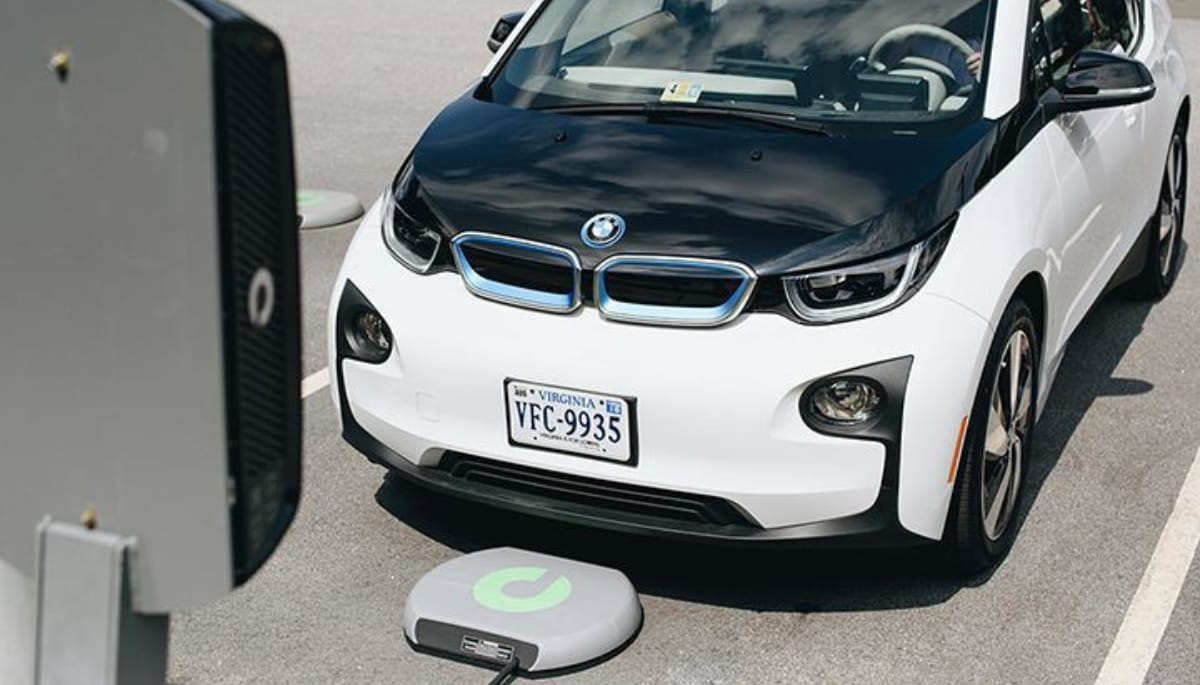
BMW Wireless Charging

  • Compatible Cars: BMW 530e.
  • Charging Speed: 3.2 kW.
  • Price Range: $2,500 – $3,000.
  • Features: Premium design, seamless integration with BMW vehicles, and high safety standards.

Here’s a table comparing these popular wireless EV chargers:

Product NameCompatible CarsCharging SpeedPrice Range
WiTricity HaloMultiple EV models7-11 kW$2,500 – $3,500
Plugless PowerTesla Model S, Nissan Leaf3.3 – 7.2 kW$1,000 – $2,000
BMW Wireless ChargingBMW 530e3.2 kW$2,500 – $3,000

What is a Wireless EV Charger?

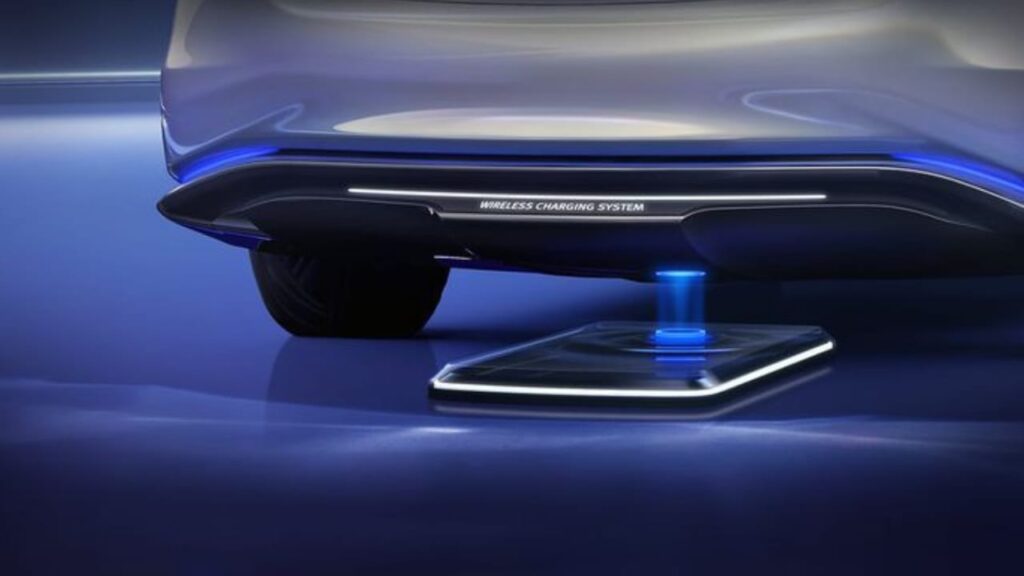
A wireless EV charger is a device that uses inductive charging to transfer energy from a charging pad on the ground to a receiver on the car. This means you don’t need to plug in a cable to charge your car. Instead, you just park your car over the charging pad, and the charging begins automatically.


How Does Wireless EV Charging Work?

Wireless EV chargers work through a process called electromagnetic induction. Here’s a simple breakdown of how it works:

  1. Charging Pad: The pad is installed on the ground, usually in your garage or a parking spot. It contains a coil that generates an electromagnetic field.
  2. Receiver: The car has a receiver coil installed underneath it. When the car is parked over the pad, the receiver coil picks up the electromagnetic energy.
  3. Energy Transfer: The energy is converted into electricity, which charges the car’s battery.

This process is similar to how wireless phone chargers work, but on a much larger scale.


Benefits of Wireless EV Chargers

Wireless EV chargers offer many advantages over traditional plug-in chargers. Here are some of the key benefits:

  • Convenience: No need to handle heavy cables or worry about plugging in your car. Just park and charge.
  • Safety: Reduces the risk of tripping over cables or dealing with worn-out plugs.
  • Weatherproof: Wireless chargers are designed to work in all weather conditions, making them ideal for outdoor use.
  • Aesthetic Appeal: No visible cables mean a cleaner, more modern look for your garage or driveway.
  • Future-Proof: As more cars adopt wireless charging technology, having a wireless charger at home will keep you ahead of the curve.

Why Wireless EV Chargers are Important for the U.S.

The United States is one of the largest markets for electric vehicles, and the demand for convenient charging solutions is growing. Here’s why wireless EV chargers are important:

  • Urban Areas: In cities, where space is limited, wireless chargers can be installed in parking lots or on streets, making charging easier for residents.
  • Public Charging Stations: Wireless chargers can be integrated into public charging stations, reducing the need for cables and improving user experience.
  • Environmental Impact: Wireless charging encourages more people to switch to electric cars, which helps reduce greenhouse gas emissions.

Challenges of Wireless EV Chargers

While wireless EV chargers are promising, there are some challenges to consider:

  • Cost: Wireless chargers are more expensive than traditional plug-in chargers.
  • Efficiency: Wireless charging is slightly less efficient than wired charging, meaning it may take longer to charge your car.
  • Compatibility: Not all electric cars are equipped with wireless charging technology yet.

The Future of Wireless EV Charging in the U.S.

The future of wireless EV charging looks bright. As technology improves, we can expect:

  • Faster Charging: New advancements will make wireless charging as fast as wired charging.
  • Wider Adoption: More car manufacturers will include wireless charging as a standard feature.
  • Smart Integration: Wireless chargers will be integrated with smart home systems, allowing you to monitor and control charging from your phone.

Frequently Asked Questions (FAQs)

1. How long does it take to charge an electric car wirelessly?

Wireless charging speeds vary depending on the charger and the car. On average, it can take anywhere from 3 to 8 hours for a full charge.

2. Is wireless charging safe for electric cars?

Yes, wireless charging is safe. It uses electromagnetic fields that are carefully controlled to ensure safety for both the car and the user.

3. Can I install a wireless EV charger at home?

Yes, wireless EV chargers can be installed at home. However, you may need professional help for installation.

4. Are wireless EV chargers compatible with all electric cars?

No, not all electric cars are compatible with wireless chargers. You need a car with a built-in wireless charging receiver or a retrofit kit.

5. How much does a wireless EV charger cost?

The cost of a wireless EV charger ranges from $1,000 to $3,500, depending on the brand and features.


Conclusion

Wireless EV chargers are a game-changer for electric car owners in the United States. They offer convenience, safety, and a glimpse into the future of transportation. While there are some challenges to overcome, the benefits far outweigh the drawbacks. As more companies develop wireless charging solutions we can expect this technology to become a standard feature in every electric car.

If you’re thinking about buying an electric car or upgrading your current charging setup, consider investing in a wireless EV charger. It’s a smart choice for a cleaner, greener future.

The Fastest EV Chargers for Tesla in the US

Tesla is one of the most popular electric vehicle (EV) brands in the world. If you own a Tesla, you know how important it is to have a fast and reliable charger. Charging your Tesla quickly means less waiting and more driving. In this article, we’ll explore the fastest EV chargers for Tesla in the US, how they work, and why they are a great choice for Tesla owners.


Why Fast Charging Matters for Tesla Owners

Tesla cars are known for their long-range and high performance. But to keep them running, you need a good charger. Fast chargers are important because:

  • Save Time: Faster charging means you spend less time waiting at charging stations.
  • Long Trips: Fast chargers are perfect for road trips, where you need to charge quickly and get back on the road.
  • Convenience: With fast charging, you can top up your battery while running errands or grabbing a coffee.

Types of Tesla Chargers

Tesla offers different types of chargers for home and public use. Here’s a quick overview:

Charger TypeCharging SpeedBest For
Tesla Wall ConnectorUp to 44 miles/hourHome charging
Tesla SuperchargerUp to 200 miles in 15 minutesPublic charging, long trips
Tesla Destination ChargerUp to 52 miles/hourHotels, restaurants, and destinations

The Fastest EV Chargers for Tesla in the US

If you’re looking for the fastest way to charge your Tesla, here are the top options:

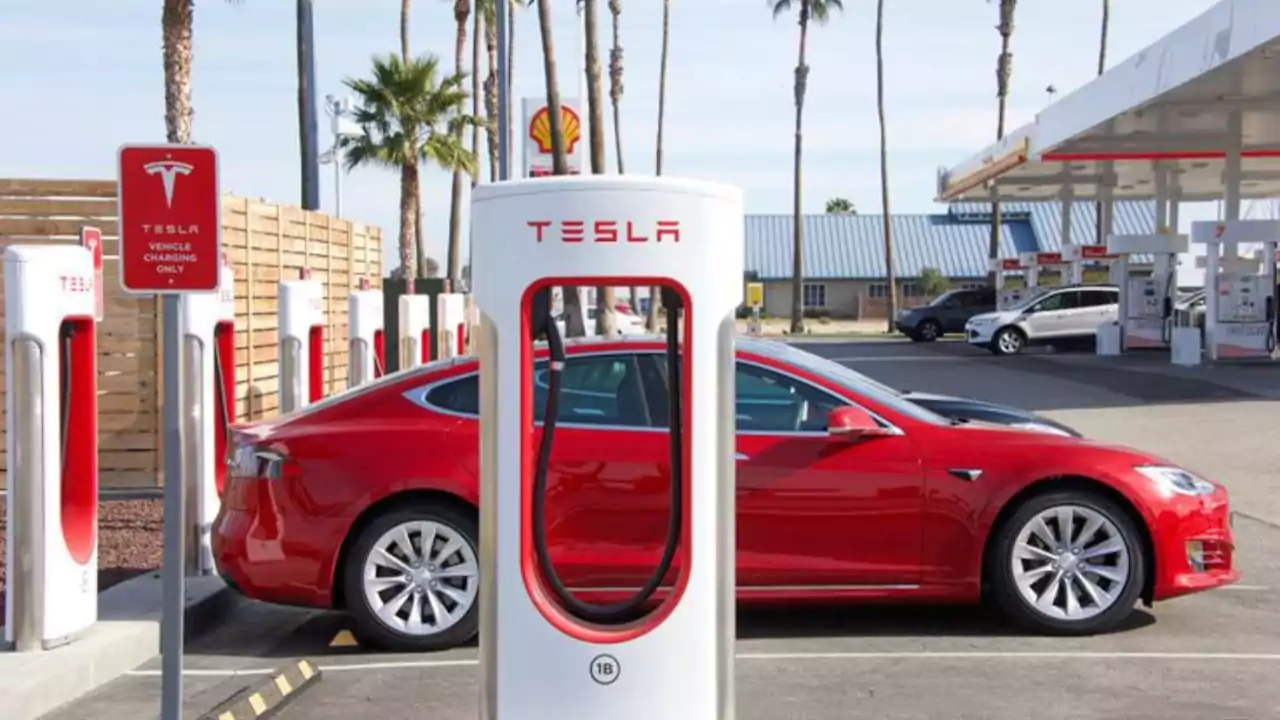
1. Tesla Supercharger V3

  • Charging Speed: Up to 250 kW (kilowatts).
  • Range Added: About 200 miles in 15 minutes.
  • Where to Find: Tesla Supercharger stations across the US.
  • Best For: Long trips and quick top-ups.

The Tesla Supercharger V3 is the fastest charger available for Tesla cars. It uses advanced technology to deliver power quickly and efficiently. With over 1,500 Supercharger stations in the US, you’re never too far from a fast charge.

Example: Sarah is on a road trip from Los Angeles to San Francisco. She stops at a Tesla Supercharger V3 station and charges her Tesla Model 3 in just 15 minutes. This gives her enough range to reach her destination without any delays.


2. Tesla Wall Connector (Home Charger)

  • Charging Speed: Up to 44 miles of range per hour.
  • Power Output: 11.5 kW or 48 amps.
  • Best For: Overnight charging at home.

The Tesla Wall Connector is a great option for home charging. It’s not as fast as the Supercharger, but it’s perfect for charging your car overnight. You can wake up to a fully charged Tesla every morning.

Example: John installs a Tesla Wall Connector in his garage. He plugs in his Tesla Model Y every night and wakes up to a full battery. This saves him time and money compared to using public chargers.


3. Tesla Destination Charger

  • Charging Speed: Up to 52 miles of range per hour.
  • Where to Find: Hotels, restaurants, and shopping centers.
  • Best For: Charging while you relax or shop.

Tesla Destination Chargers are slower than Superchargers but faster than home chargers. They regularly at places where you spend a lot of time, like hotels or malls.

Example: Emily stops at a hotel with a Tesla Destination Charger. While she enjoys her dinner, her Tesla Model S charges enough for her to drive home the next day.


How to Find the Fastest Chargers Near You

Finding a fast charger for your Tesla is easy. Here’s how:

  1. Use the Tesla App: Open the Tesla app on your phone and tap on “Location.” It will show you the nearest Superchargers and their availability.
  2. Check the Tesla Website: Visit the Tesla website and use the “Find Us” map to locate charging stations.
  3. In-Car Navigation: Your Tesla’s built-in navigation system will guide you to the nearest Supercharger.

Tips for Faster Charging

Here are some tips to make your Tesla charge even faster:

  • Precondition Your Battery: Use the “Navigate to Supercharger” feature in your Tesla. This warms up the battery for faster charging.
  • Charge During Off-Peak Hours: Superchargers are less busy early in the morning or late at night.
  • Keep Your Battery Between 20% and 80%: Charging is fastest in this range. Avoid charging to 100% unless necessary.

Comparison of Tesla Chargers

Here’s a table comparing the fastest Tesla chargers:

Charger TypeCharging SpeedRange AddedBest For
Tesla Supercharger V3Up to 250 kW200 miles in 15 minutesLong trips, quick top-ups
Tesla Wall ConnectorUp to 44 miles/hourFull charge overnightHome charging
Tesla Destination ChargerUp to 52 miles/hourCharging while relaxingHotels, restaurants, and destinations

Real-Life Example: Mike’s Road Trip with a Tesla Supercharger

Mike owns a Tesla Model X and loves going on road trips. On his latest trip from New York to Florida, he relied on Tesla Superchargers. Here’s how it went:

  • Day 1: Mike starts his trip with a full battery. After driving 200 miles, he stops at a Supercharger V3 station. In just 15 minutes, he adds another 200 miles of range.
  • Day 2: Mike uses the Tesla app to find a Supercharger near his hotel. He charges his car overnight and wakes up to a full battery.
  • Day 3: Mike reaches Florida with plenty of charges left. He says, “The Supercharger network made my trip so easy. I didn’t have to worry about running out of battery.”

Frequently Asked Questions (FAQs)

1. How much does it cost to use a Tesla Supercharger?

The cost varies by location, but it’s usually between $0.25 and $0.50 per kWh (kilowatt-hour). A full charge can cost around $10 to $20.

2. Can non-Tesla cars use Tesla Superchargers?

No, Tesla Superchargers are only for Tesla cars. However, Tesla is testing a program to allow non-Tesla EVs to use some Superchargers in the future.

3. How long does it take to fully charge a Tesla at a Supercharger?

It depends on the battery size and charger speed. A Tesla Model 3 can charge from 10% to 80% in about 30 minutes at a Supercharger V3.

4. Are Tesla Superchargers available everywhere in the US?

Tesla has over 1,500 Supercharger stations in the US, covering most major highways and cities.


Conclusion

Fast charging is a must for Tesla owners, and the Tesla Supercharger V3 leads the pack with its incredible speed. Whether you’re on a road trip or charging at home with the Tesla Wall Connector, these options make owning a Tesla hassle-free. For more tips, reviews, and updates on EV chargers, visit AutoNewsTrend.com. Stay charged and stay informed!

Smart EV Chargers with App Control 7 Step: The Future of Electric Vehicle Charging

Electric vehicles (EVs) are becoming more popular every day. With this rise in EVs, the need for better charging solutions is also growing. One of the most exciting advancements in this area is the smart EV charger with app control. These chargers are not just convenient but also packed with features that make charging your EV easier and smarter. In this article, we’ll explore what smart EV chargers are, how they work, and why they are the future of EV charging.


What is a Smart EV Charger?

A smart EV charger is a device that lets you charge your electric vehicle using your smartphone or tablet. Unlike regular chargers, smart chargers come with special features like:

  • App control: You can control the charger using a mobile app.
  • Scheduling: You can set charging times to save money on electricity.
  • Monitoring: You can track how much energy your car is using.
  • Remote access: You can start or stop charging from anywhere.

How Does a Smart EV Charger Work?

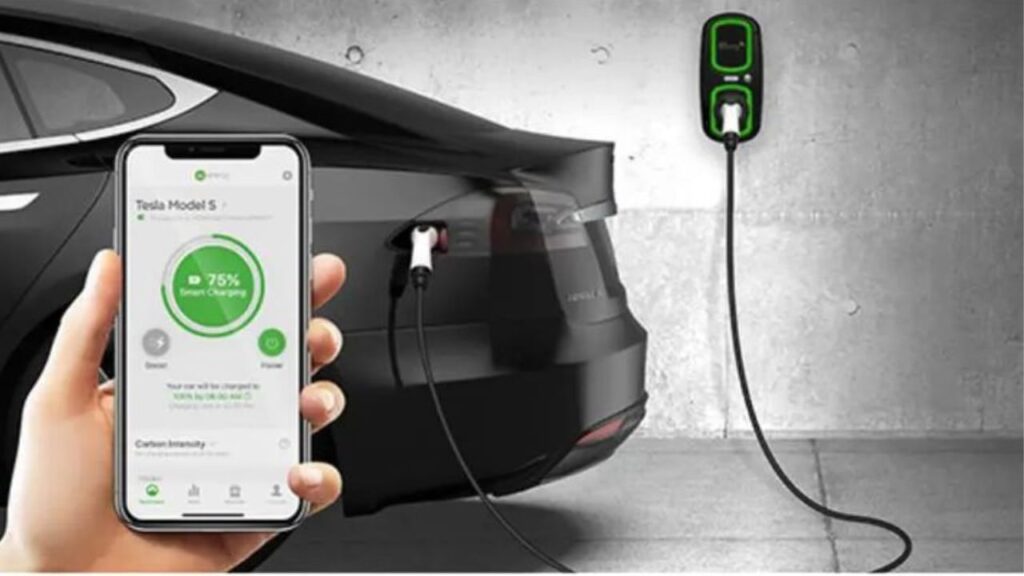
Smart EV chargers connect to your home Wi-Fi and pair with a mobile app. Once set up, you can control the charger using your phone. Here’s how it works:

  1. Install the Charger: A professional installs the charger at your home or office.
  2. Download the App: You download the app on your smartphone.
  3. Connect to Wi-Fi: The charger connects to your Wi-Fi network.
  4. Pair with the App: You pair the charger with the app using a QR code or serial number.
  5. Start Charging: You can now control the charger using the app.

Benefits of Smart EV Chargers with App Control

Smart EV chargers offer many benefits over traditional chargers. Here are some of the key advantages:

1. Convenience

  • Start or stop charging with just a few taps on your phone.
  • No need to go outside to check the charging status.

2. Cost Savings

  • You can schedule charging during off-peak hours when electricity is cheaper.
  • The app shows you how much energy you’re using, so you can save money.

3. Better Control

  • You can set charging limits to avoid overcharging your car’s battery.
  • Some apps even let you set charging speeds.

4. Remote Access

  • Forget to charge your car? No problem! You can start charging from anywhere using the app.
  • You can also check the charging status while you’re away from home.

5. Eco-Friendly

  • Smart chargers help you use energy more efficiently, reducing your carbon footprint.

Examples of Smart EV Chargers with App Control

Here are some popular smart EV chargers available in the market:

BrandModelKey Features
TeslaWall ConnectorWorks with Tesla app, scheduling, energy monitoring, and remote access.
ChargePointHome FlexWi-Fi enabled, app control, cost tracking, and charging schedules.
JuiceBoxJuiceBox 40Smart charging, voice control (Alexa/Google Assistant), and energy reports.
WallboxPulsar PlusApp control, power sharing, and solar charging compatibility.

How to Choose the Right Smart EV Charger

With so many options available, choosing the right smart EV charger can be tricky. Here are some factors to consider:

1. Compatibility

  • Make sure the charger is compatible with your car. For example, Tesla chargers work best with Tesla cars.

2. Charging Speed

  • Check the charging speed (measured in kW). Faster chargers can charge your car more quickly.

3. App Features

  • Look for apps with features like scheduling, energy tracking, and remote access.

4. Installation

  • Some chargers are easy to install, while others may require professional help. Check the installation requirements before buying.

5. Price

  • Smart EV chargers can cost anywhere from $500 to $1,000. Choose one that fits your budget.

How to Use a Smart EV Charger: Step-by-Step Guide

Using a smart EV charger is easy. Here’s a step-by-step guide:

  1. Install the Charger: Hire a professional to install the charger at your home.
  2. Download the App: Go to the App Store or Google Play and download the app for your charger.
  3. Create an Account: Open the app and create an account using your email or phone number.
  4. Pair the Charger: Use the app to pair the charger with your phone. You may need to scan a QR code or enter a serial number.
  5. Plug in Your Car: Connect your car to the charger using the charging cable.
  6. Start Charging: Open the app and tap the “Start Charging” button.
  7. Monitor Charging: Use the app to check the charging status, energy usage, and estimated time to full charge.
  8. Stop Charging: When your car is fully charged, tap the “Stop Charging” button in the app.

Real-Life Example: John’s Experience with a Smart EV Charger

John is a busy professional who recently bought an electric car. He installed a ChargePoint Home Flex charger at his house. Here’s how it helped him:

  • Convenience: John uses the ChargePoint app to start charging his car from his office.
  • Cost Savings: He schedules charging during off-peak hours, saving 20% on his electricity bill.
  • Peace of Mind: The app alerts him when his car is fully charged.

John says, “The smart charger has made my life so much easier. I don’t have to worry about charging my car anymore.”


Frequently Asked Questions (FAQs)

1. Do I need a Wi-Fi connection for a smart EV charger?

Yes, most smart EV chargers require a Wi-Fi connection to work with the app.

2. Can I use a smart EV charger with an electric car?

Most smart chargers are compatible with all-electric cars, but it’s best to check before buying.

3. Is it safe to charge my car using a smart charger?

Yes, smart chargers are designed with safety features like overcharge protection and temperature monitoring.

4. How much does a smart EV charger cost?

Smart EV chargers typically cost between $500 and $1,000, depending on the brand and features.


Conclusion

Smart EV chargers with app control are changing the way we charge electric vehicles. They offer convenience, cost savings, and better control over your charging experience. Whether you’re a busy professional or an eco-conscious driver, a smart EV charger can make your life easier. So, if you’re thinking about buying an EV charger, consider going smart!

EV Charger Installation Cost 2025: A Simple Guide for U.S. Homeowners

Electric vehicles (EVs) are becoming more popular in the United States. If you own an EV or plan to buy one, you’ll need a way to charge it at home. Installing an EV charger at home is a great idea, but how much does it cost? In this article, we’ll break down the EV charger installation cost for 2025 in simple terms. We’ll also share tips on how to save money and explain what factors affect the cost.


What is an EV Charger?

An EV charger is a device that charges your electric vehicle’s battery. There are two main types of chargers:

  1. Level 1 Chargers: These are slow chargers that use a standard 120-volt outlet. They are usually included with your EV.
  2. Level 2 Chargers: These are faster chargers that use a 240-volt outlet. They are the most popular choice for home installation.

How Much Does EV Charger Installation Cost in 2025?

The cost of installing an EV charger at home depends on several factors. Here’s a simple breakdown:

Cost FactorAverage Cost (2025)
EV Charger Unit$300 – $1,200
Installation Labor$500 – $1,500
Electrical Upgrades$200 – $2,000
Permits and Inspections$50 – $300
Total Cost$1,050 – $5,000

1. Cost of the EV Charger Unit

The charger itself is the first cost you’ll need to consider. Here are some examples:

  • Basic Level 2 Charger: $300 – $600 (e.g., Grizzl-E, ClipperCreek).
  • Smart Level 2 Charger: $600 – $1,200 (e.g., ChargePoint Home Flex, JuiceBox).

Example: If you buy a ChargePoint Home Flex for $750, this will be part of your total cost.


2. Installation Labor Costs

Installing an EV charger requires a licensed electrician. The labor cost depends on:

  • How far is the charger from your electrical panel?
  • The complexity of the installation.

Average Labor Cost: $500 – $1,500.

Example: If your electrical panel is in the garage, the installation might cost $500. But if it’s far away, it could cost $1,500.


3. Electrical Upgrades

Your home’s electrical system might need upgrades to support an EV charger. Common upgrades include:

  • Upgrading the Electrical Panel: $1,000 – $2,000.
  • Adding a 240-Volt Outlet: $200 – $500.

Example: If your home has an old electrical panel, you might need to upgrade it for $1,500.


4. Permits and Inspections

Most cities in the U.S. require permit and inspections for EV charger installation. The cost is usually:

  • Permits: $50 – $200.
  • Inspections: $100 – $300.

Example: In California, a permit might cost $100, and an inspection could cost $150.


How to Save Money on EV Charger Installation

Here are some tips to reduce the cost of installing an EV charger:

  1. Check for Government Incentives:
  • The U.S. government offers tax credits and rebates for EV charger installation.
  • Example: The federal tax credit covers 30% of the cost, up to $1,000.
  1. Shop Around for Electricians:
  • Get quotes from at least 3 electricians to find the best price.
  1. Choose a Basic Charger:
  • If you don’t need smart features, a basic Level 2 charger can save you money.
  1. Install Near the Electrical Panel:
  • The closer the charger is to the panel, the lower the labor cost.

Example: Total Cost Breakdown

Let’s look at an example for a homeowner in Texas:

  • EV Charger Unit: $600 (JuiceBox 40).
  • Installation Labor: $800 (charger is close to the panel).
  • Electrical Upgrades: $0 (no upgrades needed).
  • Permits and Inspections: $150.

Total Cost: $600 + $800 + $150 = $1,550.


Frequently Asked Questions (FAQs)

1. Can I install an EV charger myself?

No, it’s not safe to install an EV charger yourself. You need a licensed electrician to ensure the installation meets local codes.

2. How long does installation take?

Most installations take 4-8 hours, depending on the complexity.

3. Do I need a Level 2 charger?

If you want faster charging at home, a Level 2 charger is the best choice. Level 1 chargers are too slow for most people.

4. Are there any ongoing costs?

The only ongoing cost is the electricity used to charge your EV. This is much cheaper than gasoline!


Conclusion

Installing an EV charger at home is a smart investment for EV owners. In 2025, the total cost can range from $1,050 to $5,000, depending on the charger, labor, and electrical upgrades. By taking advantage of government incentives and shopping around for electricians, you can save money on installation.

If you’re ready to install an EV charger, start by getting quotes from local electricians. With the right charger and installation, you’ll enjoy the convenience of charging your EV at home!


Tesla Supercharger Network Opens to Non Tesla EVs: What It Means for U.S. Drivers

Tesla has officially opened its Supercharger network to non-Tesla electric vehicles (EVs) in the United States. This move marks a significant shift in the EV charging landscape, benefiting millions of EV owners across the country. Here’s everything you need to know about this change and how it affects U.S. drivers.

What Is the Tesla Supercharger Network?

The Tesla Supercharger network is one of the largest and most reliable fast-charging networks for electric vehicles. It consists of over 12,000 fast-charging stations across the U.S., allowing Tesla owners to charge their vehicles quickly. Tesla’s chargers are known for their high-speed performance, with some models gaining up to 200 miles of range in just 15 minutes.

Why Is Tesla Opening Its Superchargers to Other EVs?

Tesla is opening its Tesla Supercharger network to other EVs as part of a broader strategy to expand its influence, generate additional revenue, and align with government incentives. Here are the key reasons:

1. Access to Government Incentives

The U.S. government, under the Bipartisan Infrastructure Law, offers funding for EV charging networks that are open to all-electric vehicles. By allowing non-Tesla EVs to use its Superchargers, Tesla can qualify for federal subsidies, helping fund its charging expansion.

2. Revenue Growth

Opening Superchargers to other EVs means Tesla can earn from a larger customer base. More EVs using Tesla’s network translates into increased charging revenue.

3. Expanding Market Share & Brand Influence

By making its Superchargers the go-to fast-charging solution, Tesla strengthens its brand dominance in the EV industry. If more EV drivers use Tesla’s network, they may be more inclined to buy a Tesla in the future.

4. Boosting EV Adoption

One of the biggest concerns for EV adoption is charging infrastructure. By opening its Supercharger network, Tesla helps reduce range anxiety, making EVs more appealing to a wider audience.

5. Pressure from Competitors & Regulations

Other charging networks (like Electrify America and EVgo) serve multiple EV brands. If Tesla Supercharger Network keeps its Superchargers exclusive, it risks losing relevance as the industry moves toward open charging standards. Some regions may also push for interoperability regulations.

6. Encouraging NACS Standard Adoption

Tesla’s North American Charging Standard (NACS) is becoming more popular, with companies like Ford, GM, and Rivian adopting it. By opening Superchargers, Tesla makes NACS the dominant charging standard, further solidifying its influence in the EV industry.

In summary, Tesla’s decision is a mix of financial, strategic, and regulatory factors that help expand its charging network, generate more revenue, and position itself as a leader in the EV market.

How Can Non-Tesla EVs Use Tesla Superchargers?

Non-Tesla EV owners can access the Tesla Supercharger network through the Tesla app. Here’s how it works:

  1. Download and install the Tesla app (available on iOS and Android).
  2. Create an account and select the “Charge Your Non-Tesla” option.
  3. Find a nearby Supercharger station.
  4. Plug in your vehicle using the compatible adapter (if needed).
  5. Start and monitor charging through the app.
  6. Pay for the charging session directly via the app.

Benefits of Supercharger Access for Non-Tesla EV Owners

Opening Tesla Superchargers network to all EVs has several advantages:

  • Faster Charging: Tesla Supercharger network provide higher power output compared to many third-party chargers, reducing wait times.
  • More Charging Locations: Expanding access means more options for non-Tesla EV owners, helping reduce range anxiety.
  • Reliable Network: Tesla Supercharger network is well-maintained and offers consistent performance, unlike some other public charging networks.
  • Boost for EV Adoption: With more charging options available, more drivers may be encouraged to switch to electric vehicles.

Challenges and Limitations

Despite the benefits, there are some potential challenges:

  • Compatibility Issues: Some non-Tesla EVs may require adapters to use Superchargers, which could be an extra cost.
  • Pricing Differences: Tesla may charge non-Tesla users higher fees compared to Tesla owners.
  • Increased Wait Times: More vehicles using Superchargers could lead to congestion at popular stations, especially during peak travel times.
  • Limited Availability: Not all Supercharger locations will support non-Tesla EVs initially, as the rollout will happen in phases.

What This Means for the Future of EV Charging in the U.S.

Tesla’s move is a major step toward a more interconnected and accessible EV charging network. This could push other automakers and charging companies to enhance their infrastructure, creating a more convenient experience for all EV drivers. With the federal government supporting widespread charging accessibility, the future of EV charging looks promising.

Conclusion

Tesla opening its Tesla Supercharger network to non-Tesla EVs is a game-changer for the electric vehicle industry. It provides faster, more reliable charging options for all EV drivers, reduces range anxiety, and supports the growing shift to electric transportation. While challenges exist, the benefits far outweigh the drawbacks, making EV ownership more accessible than ever.

For more updates on EV news, check out our latest articles on electric vehicles and charging networks!

Top 5 Home EV Chargers in 2025: Affordable & Efficient Charging Solutions for U.S. Homes

Introduction

Electric vehicles (EVs) are no longer the future—they’re the present. As more Americans switch to EVs, having a reliable home charger is essential. But with so many options, how do you pick the best one? In this guide, we’ll review the top 5 home EV chargers in 2025, explain what to look for, and answer common questions. Whether you own a Tesla, Ford Mustang Mach-E, or Chevy Bolt, this article will help you charge smarter and faster.


What to Look for in a Home EV Charger

Before diving into our top picks, here are 4 key factors to consider:

FactorWhy It Matters
Charging SpeedLevel 1 (slow) vs. Level 2 (fast). Level 2 chargers are ideal for daily use.
CompatibilityEnsure the charger works with your EV brand (e.g., Tesla, Nissan, Ford).
Smart FeaturesWi-Fi connectivity, scheduling, and energy tracking add convenience.
Installation CostProfessional installation in the U.S. costs $500–$1,500, depending on wiring.

Top 5 Home EV Chargers in 2025

(Prices and features are updated for 2025)


1. Tesla Wall Connector

Best for Tesla Owners
Price: $500
Key Features:

  • Speed: Up to 44 miles of range per hour.
  • Compatibility: Works with all Tesla models (adapter available for non-Tesla EVs).
  • Smart Features: Wi-Fi-enabled, integrates with Tesla app.
    Pros:
  • Sleek design, easy installation.
  • Fastest charging for Tesla vehicles.
    Cons:
  • Pricier than non-Tesla chargers.

2. ChargePoint Home Flex

Best All-Rounder
Price: $699
Key Features:

  • Speed: Up to 37 miles of range per hour.
  • Compatibility: Works with all EVs (J1772 plug).
  • Smart Features: App control, scheduling, energy reports.
    Pros:
  • Adjustable power settings (16–50 amps).
  • Eligible for U.S. federal tax credit (30% off).
    Cons:
  • Requires professional installation.

3. JuiceBox 40

Best for Budget Buyers
Price: $549
Key Features:

  • Speed: 30 miles of range per hour.
  • Compatibility: Universal J1772 plug.
  • Smart Features: Voice control (Alexa/Google Assistant).
    Pros:
  • Affordable with great features.
  • Compact and weatherproof.
    Cons:
  • Slower than premium models.

4. Grizzl-E Classic

Best for Extreme Weather
Price: $459
Key Features:

  • Speed: 25–30 miles of range per hour.
  • Compatibility: Works with all EVs.
  • Durability: Built for harsh climates (-22°F to 122°F).
    Pros:
  • Rugged, fire-resistant design.
  • Easy DIY installation.
    Cons:
  • No smart features.

5. Wallbox Pulsar Plus

Best Compact Charger
Price: $649
Key Features:

  • Speed: 30–37 miles of range per hour.
  • Compatibility: Universal J1772 plug.
  • Smart Features: Solar charging integration, power sharing.
    Pros:
  • Sleek, space-saving design.
  • Energy-efficient (adjusts to home power usage).
    Cons:
  • Premium price tag.

How to Install a Home EV Charger

Installing a home EV charger is simpler than you think. Here’s a quick guide:

  1. Check Your Electrical Panel: Most Level 2 chargers need a 240-volt outlet.
  2. Hire a Licensed Electrician: Costs $500–$1,500 in the U.S. (permits included).
  3. Choose Location: Install near your parking spot (garage or driveway).
  4. Apply for Incentives: Save 30% with the U.S. federal tax credit (up to $1,000).

FAQs About Home EV Chargers

Q1. How long does it take to charge an EV at home?

  • Level 1: 24–48 hours (for a full charge).
  • Level 2: 4–10 hours (e.g., Tesla Wall Connector charges a Model 3 in 8 hours).

Q2. Can I use one charger for multiple EVs?
Yes! Just unplug and replug (no harm to the charger).

Q3. Are home EV chargers safe?
Absolutely. All certified chargers meet U.S. safety standards (UL-listed).


Conclusion

Choosing the best home EV charger depends on your budget, car model, and needs. For Tesla owners, the Tesla Wall Connector is unbeatable. If you want a budget-friendly option, the JuiceBox 40 is a great pick. Don’t forget to check for U.S. tax credits to save money!

Ready to power up your EV? Check out our guide to Best Electric Vehicles in 2025 for more tips.